Quinta da Alameda: A Lineage of Excellence, since 1826
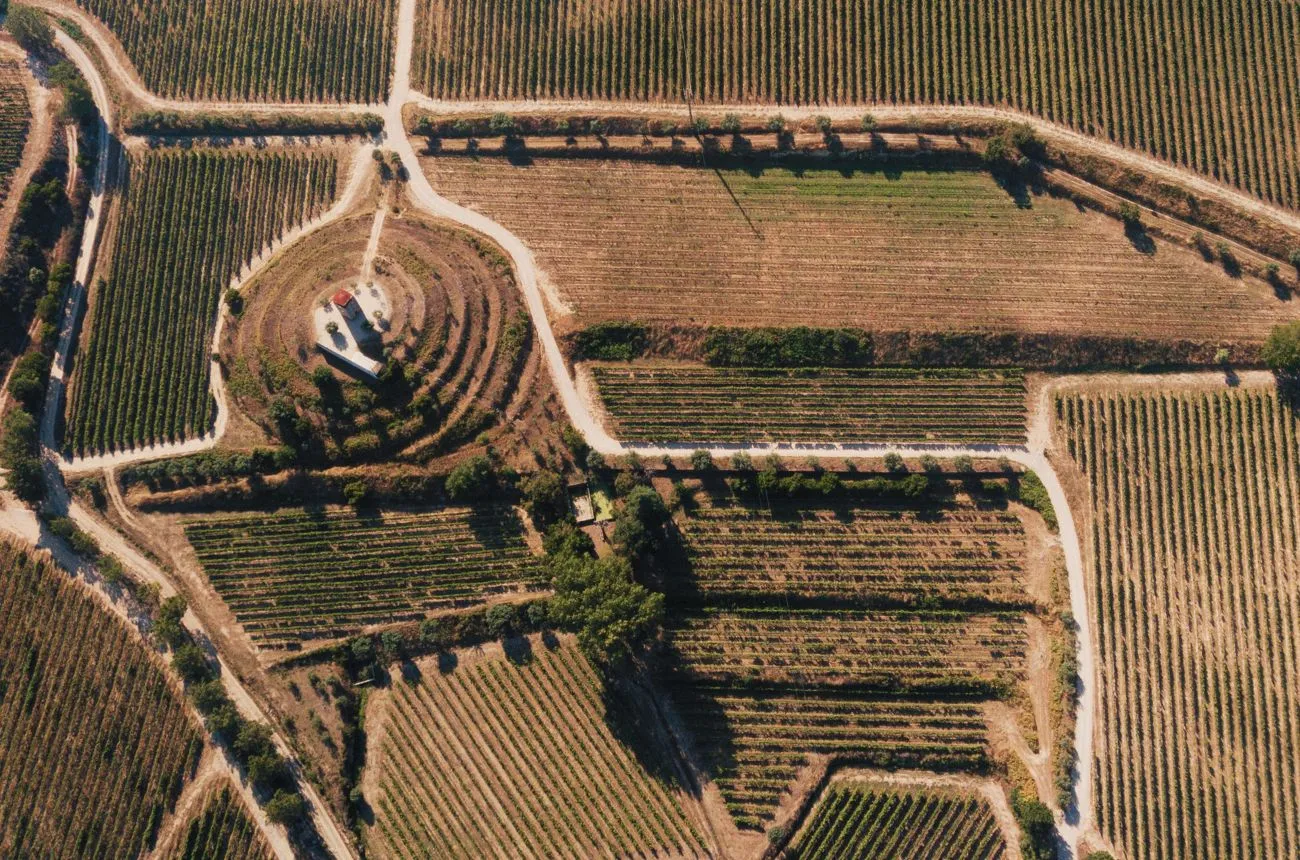
The identity of Quinta da Alameda is built not merely upon geography, but upon a historical depth that mirrors the shifting social dynamics of the Portuguese aristocracy and its transition into contemporary culture.
Situated within the Dão’s most noble terroir, Alameda possesses a history that spans three centuries. Its foundation under its current name dates back to 1826, the year the estate was acquired from the Counts of Santar by the ancestors of the Borges da Gama family. This chronological milestone is profoundly significant; it marks the turbulent close of the Absolutist period and the dawn of an era of land tenure reform spurred by Liberalism.
Under the Absolutist regime, much of the land was bound to noble lineages through 'morgadios' — entailed estates that prohibited sale or division. Following the Porto Revolution of 1820, Liberalism abolished these privileges, allowing such lands to enter the open market.
The transaction that established Quinta da Alameda instantly conferred a prestigious lineage. The Counts of Santar were the region’s most influential family, holders of vast estates and the figures responsible for consolidating the village of Santar as a pre-eminent viticultural hub. By acquiring this heritage from the high nobility, the Borges da Gama family assumed not only the land but the symbolic status inextricably linked to it.
As guardians of this aristocratic legacy, the Borges da Gamas retained ownership of the property for nearly two centuries. This period of enduring stability ensured the preservation of the estate’s structures and — most decisively — the solemn old vines that today constitute Quinta da Alameda’s irreplaceable genetic heritage.
The turning point in the estate’s modern history arrived in 2012, with its acquisition by the Abrantes family. This passing of the mantle was born not only of a profound devotion to the land but also of a clear recognition of Alameda’s untapped potential. Their purpose was steadfast: to elevate this historic Quinta as a beacon of Dão viticulture, whilst never forsaking the memory or the essence of the place.
Today, the Quinta transcends the functional definition of a wine estate; it is a remarkable domain that serves as a true microcosm of the Terras do Dão. Its relevance in the viticultural landscape resides not only in the calibre of its wines but in the way the project embodies the transformation of its own region. From a geography recently defined by cooperatives and a deep-seated conservatism, the Dão has evolved into a territory that prizes terroir and controlled experimentation.
With its clear commitment to scientific and technological innovation, environmental ethics, and the uncompromising authenticity of its wines, Alameda has become one of the most eloquent protagonists of this profound transformation towards regional oenological excellence — all while maintaining the full strength of its singular identity.

Article reviewed by Patrícia Santos, head winemaker at Quinta da Alameda. She holds a degree in Oenology from UTAD (University of Trás-os-Montes and Alto Douro, 2001), and trained under the guidance of Anselmo Mendes. Her experience spans the wine regions of Dão, Bairrada, and Beira Interior, as well as Arribes.


